Log in to save this article and keep your favorite resources in one place.

This partner insight was authored by Paridhi Gupta, Chief Marketing Officer at SEW.AI.
Affordability was once viewed primarily through the lens of customer assistance and regulatory policy. It now shapes boardroom discussions about revenue resilience, customer trust, operational performance, and long-term grid investment. Energy demand is growing, electrification is accelerating, and household budgets face increasing pressure, making affordability a strategic priority that touches every part of the business.
Affordability strategies have historically focused on customers whose hardship has already surfaced, so the response comes after a payment is missed or an account enters collections, by which point ordinary financial strain has often hardened into crisis. Leading utilities are now recognizing that the greatest opportunity lies much earlier.
Very little of this shows up in a single bill. It builds from a series of events that are unremarkable in isolation. Consumption begins to climb and payment behavior changes, seasonal demand drives the bill higher, and eventually the customer calls with a billing question or becomes less engaged across digital channels. Each is a routine operational event on its own, and only together do they reveal emerging affordability risk, which is what makes it a blind spot.
The challenge is interpretation, and earlier intervention depends on turning scattered indicators into a picture frontline teams can act on.
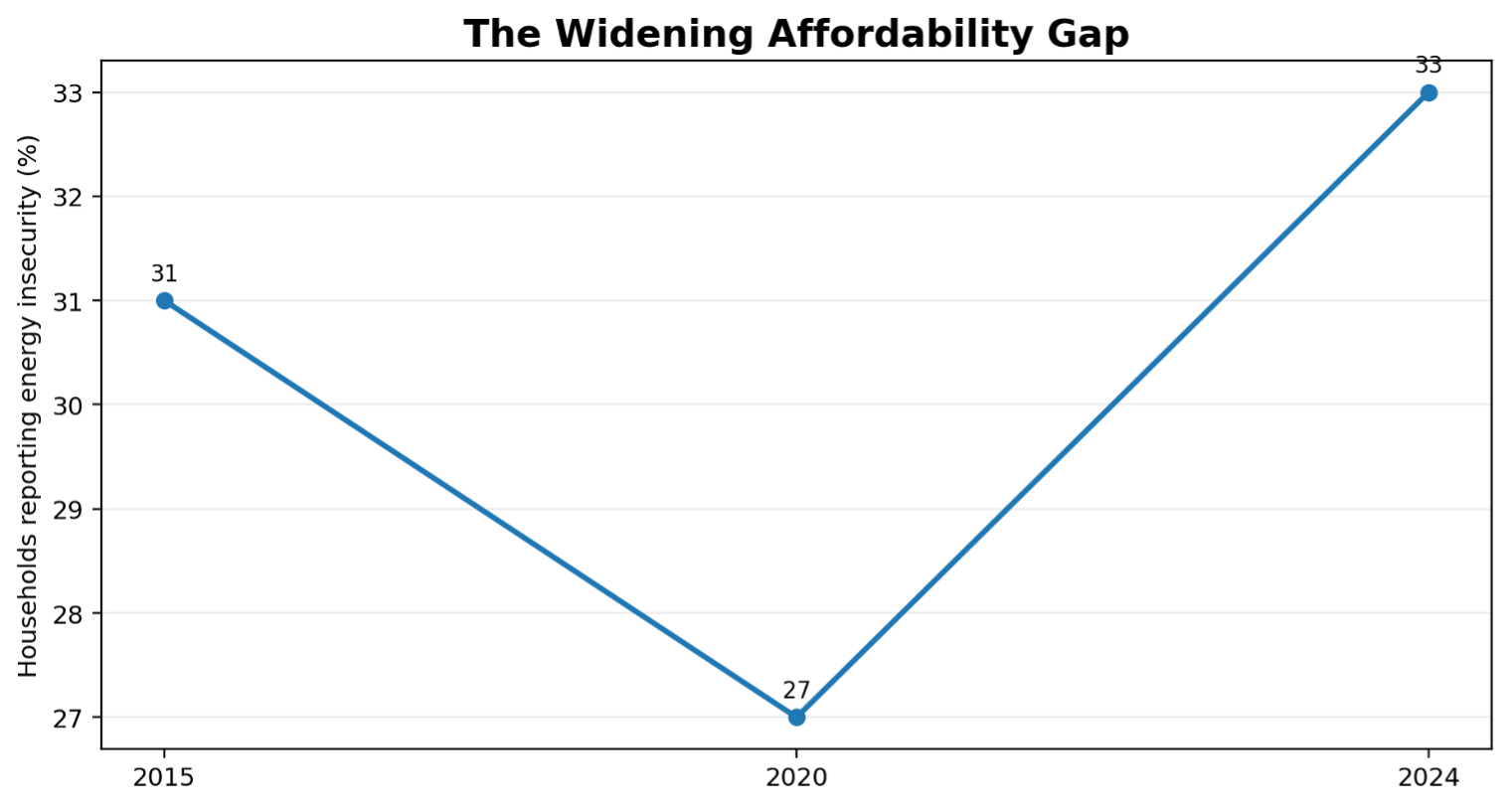
Figure 1. Source: EIA RECS / NCLC analysis.
The Business and Societal Cost of Affordability
For households, affordability now functions as a measure of financial resilience. Rising energy costs are forcing families into difficult trade-offs, with nearly one in four households reporting that they have reduced spending on essentials such as food or medicine to pay energy bills. Low-income households carry an energy burden nearly three times higher than others, and that burden affects health, safety, and quality of life beyond just bill payment.
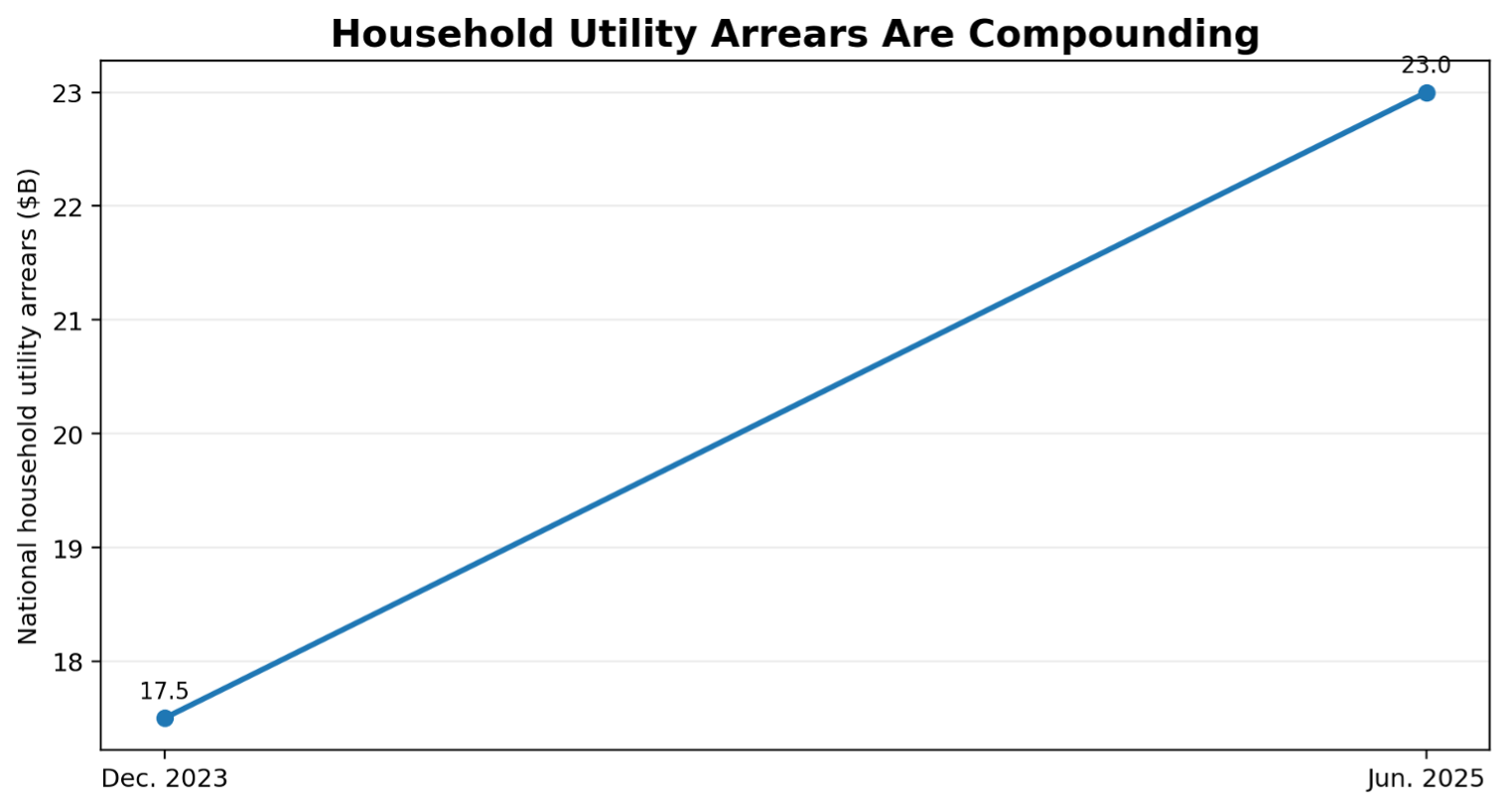
Figure 2. Source: NEADA Winter Outlook 2025 – 26
Utilities feel that pressure from the other side. Rising arrears land on collections and customer service operations while straining assistance program capacity and complicating regulatory commitments. Recovering unpaid balances is only part of the challenge, which extends to the cost of learning about a customer’s situation late, and that can lead to higher operational costs, increased service complexity, and reduced customer trust.
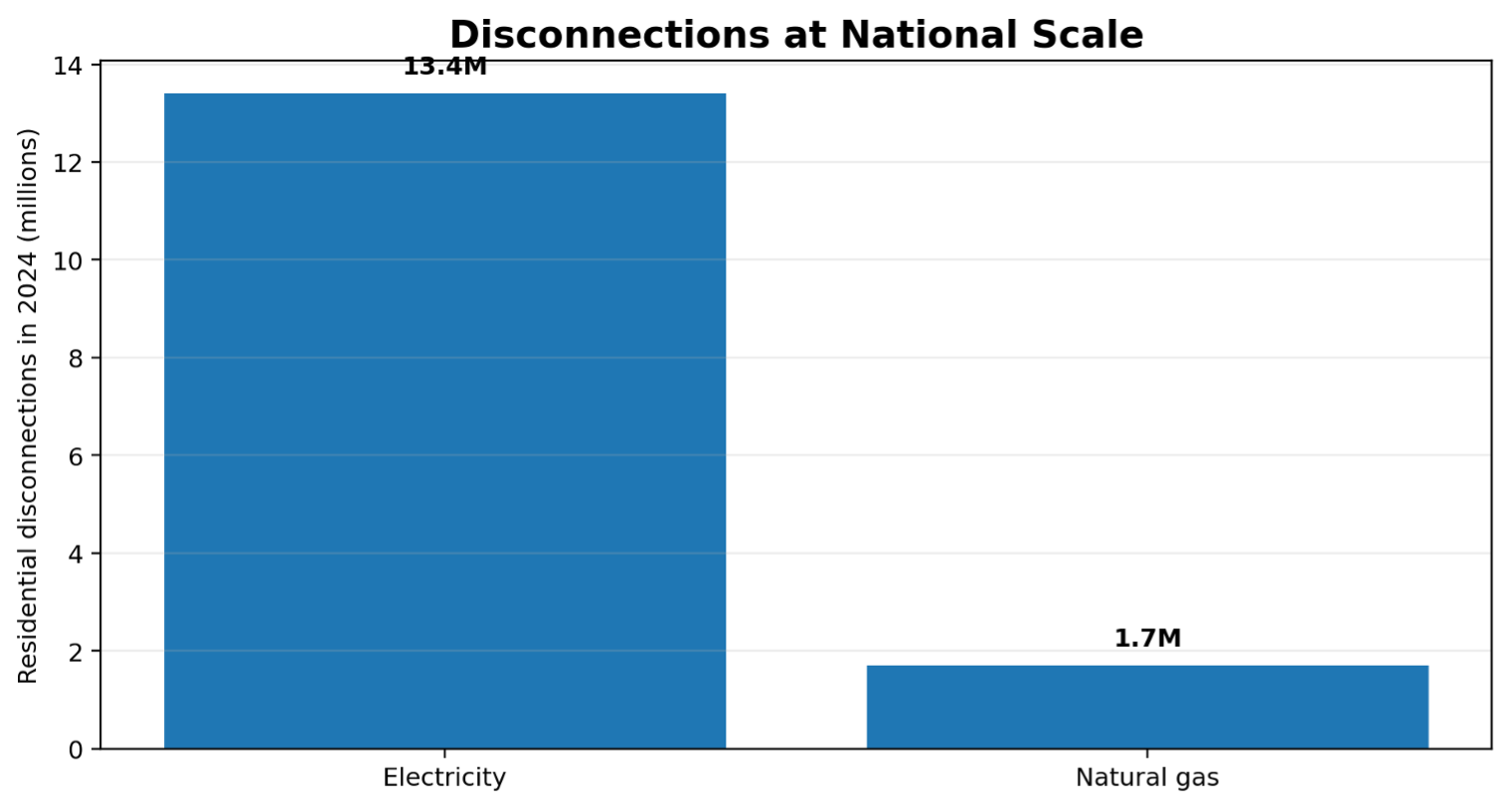
Figure 3. Source: U.S. EIA Residential Utility Disconnections Report, April 2026
The Intelligence Gap Behind the Affordability Gap
Utilities have invested heavily in customer programs, payment assistance, digital engagement, and self-service capabilities, and those investments remain essential. Affordability is now exposing a gap in intelligence alongside them.
Most utilities already hold the information needed to recognize emerging pressure. Payment history sits in the billing system and detailed consumption insight in advanced metering infrastructure, while customer service records carry billing inquiries and stated payment concerns. Digital channels reflect changing engagement patterns, and the assistance programs hold the customers who have already sought support.
Each system records the part of the customer it was built to record, and each is accurate within its own scope. None shows a household approaching hardship. Connecting the systems alone does not close that distance, because reading one function’s data alongside another’s is interpretive work, and connected data is not the same thing as connected intelligence.
Not Every Customer Needs the Same Help
A persistent misconception in affordability is that an unpaid bill means the same thing wherever it appears. Some customers are financially stretched and still committed to paying. Others qualify for assistance and never enroll, either unaware the program exists or assuming they are ineligible. A third group is absorbing temporary bill shock driven by seasonal weather or changing energy consumption, and a fourth has the capacity to pay and simply puts the utility bill last. Identical treatment makes operations simpler at the cost of results, and leading utilities are replacing one-size-fits-all strategies with approaches that read the context behind the account.
- The financially stretched customer is best served by outreach before arrears build, usually meaning proactive enrollment in assistance and a flexible payment arrangement.
- The stable customer needs less. Digital self-service, clear billing, and timely notifications are enough to sustain the payment behavior already in place.
- The underserved customer may be reachable only through community agency coordination, multilingual engagement, or a simplified enrollment pathway.
- The higher-risk customer requires targeted collections and clear payment expectations, applied in a way that protects revenue without harming the relationship.
Historical reporting and static business rules will not identify which situation an account is in. It takes intelligence that reads signals together continuously and recommends an action while there is still time for it to matter.
Turning Affordability into an Operating Model
Utilities make thousands of decisions every day that shape affordability. Offering a payment arrangement is one. So is moving an account onto a rate plan that suits it better, noticing that a consumption spike traces to a newly installed EV instead of a household in trouble, or flagging a customer who will probably need help before the next bill. These get made in the ordinary course of work and together form a utility’s affordability strategy, whether or not anyone has described it that way.
Those decisions are distributed across functions that each hold a different piece of the account. The inconsistency that follows is what the customer experiences. From where the customer sits, there is only one utility.
The utilities making the most progress have started treating affordability as an enterprise capability, measuring success by how reliably the right customer is identified, engaged, and supported.
People + Vertical AI supports that model. Vertical AI does not replace the judgment of a customer service representative, a collections specialist, or a community partner; it gives that judgment more to work with, connecting customer behavior, payment history, energy consumption, program eligibility, tariff structures, and regulatory context so that every customer-facing team is deciding from the same picture.
In practice, that looks like a levelized payment plan recommended before bill shock turns into delinquency or an assistance program surfaced for a customer who never knew it existed. Affordability shifts from reactive to proactive.
Proof in Practice: DTE Energy
Low-income assistance is structured much the same way across the industry. A community action agency, rather than the utility, holds the customer relationship and manages the paperwork for state programs like Michigan’s energy assistance fund. The utility’s own collections process runs in parallel, on a separate system. When the two do not share data in real time, a pledge to hold a disconnection while an application is processed can sit in the agency’s records without yet appearing in the utility’s timeline. The gap is structural. It has shaped how assistance gets delivered across much of the sector, and it is not a failure specific to any one utility.
The SAP and SEW.AI partnership addresses that gap directly. SAP supplies the enterprise foundation, connecting customer, financial, and operational processes so that a single view of the account carries across billing, collections, service, payments, and assistance. On top of that foundation, SEW.AI applies People + Vertical AI, which turns the enterprise data into real-time decision intelligence. Customer service teams, collections specialists, field operations, and community partners all draw on it, using it to identify need earlier, personalize engagement, and coordinate the next best action across the customer lifecycle.
DTE Energy closed it by changing where the two systems meet. Agencies that determine eligibility now work from a shared, live view of pledge status, tied directly into the utility’s disconnection and collections systems. An approved pledge stops a shutoff the moment it is entered, without waiting for someone to relay it. Verification and approval happen inside the same platform the agency already uses. Over the past three years, that change in sequencing has helped direct more than $160 million in financial assistance and prevented shutoffs for more than 397,000 households. DTE Energy’s broader energy efficiency programs, aimed at lowering usage rather than subsidizing bills directly, have reached 1.8 million residential customers and 500,000 businesses.
DTE Energy offers the industry a replicable model of utility-led affordability leadership, one built on coordination and connected intelligence between the systems and agencies that determine whether eligible households are reached before the shutoff notice arrives.
The Next Affordability Challenge Is Already Taking Shape
Affordability will get harder over the next decade. Electric vehicles, heat pumps, distributed energy resources, industrial electrification, and AI-powered data centers are all changing the shape of electricity demand, and meeting it will require sustained grid investment balanced against affordability, reliability, and long-term sustainability.
Utilities are asking how to recognize changing circumstances in time to keep affordability from becoming a crisis at all, which takes intelligence capable of interpreting customer, operational, and revenue signals in context and on an ongoing basis.
Some of this is already underway. Utilities can now identify eligibility proactively, where it used to be something customers had to discover for themselves, and regulators are placing greater emphasis on whether eligible households actually participate, alongside the funding of the programs themselves. Definitions of equity have expanded past income to include language, accessibility, digital inclusion, and the ability to engage every customer in the way they are most likely to respond. Standard outreach is giving way to personalization.
People make the decisions that build trust; the technology’s contribution is getting those decisions to happen earlier and with more context behind them. Utilities that consistently decide earlier strengthen customer affordability, and they strengthen customer trust, operational resilience, and long-term business performance along with it.
Paridhi Gupta is the Chief Marketing Officer at SEW.AI.
You Might Be Interested In

Log in to save this article and keep your favorite resources in one place.

Log in to save this article and keep your favorite resources in one place.
Log in to save this article and keep your favorite resources in one place.

Log in to save this article and keep your favorite resources in one place.