In today’s rapidly evolving HR landscape, several emerging trends have started to reshape the industry, from a shift toward skills-based talent management to growing use of AI and automation in HR processes, as well as a stronger focus on internal culture transformation to support business strategy.
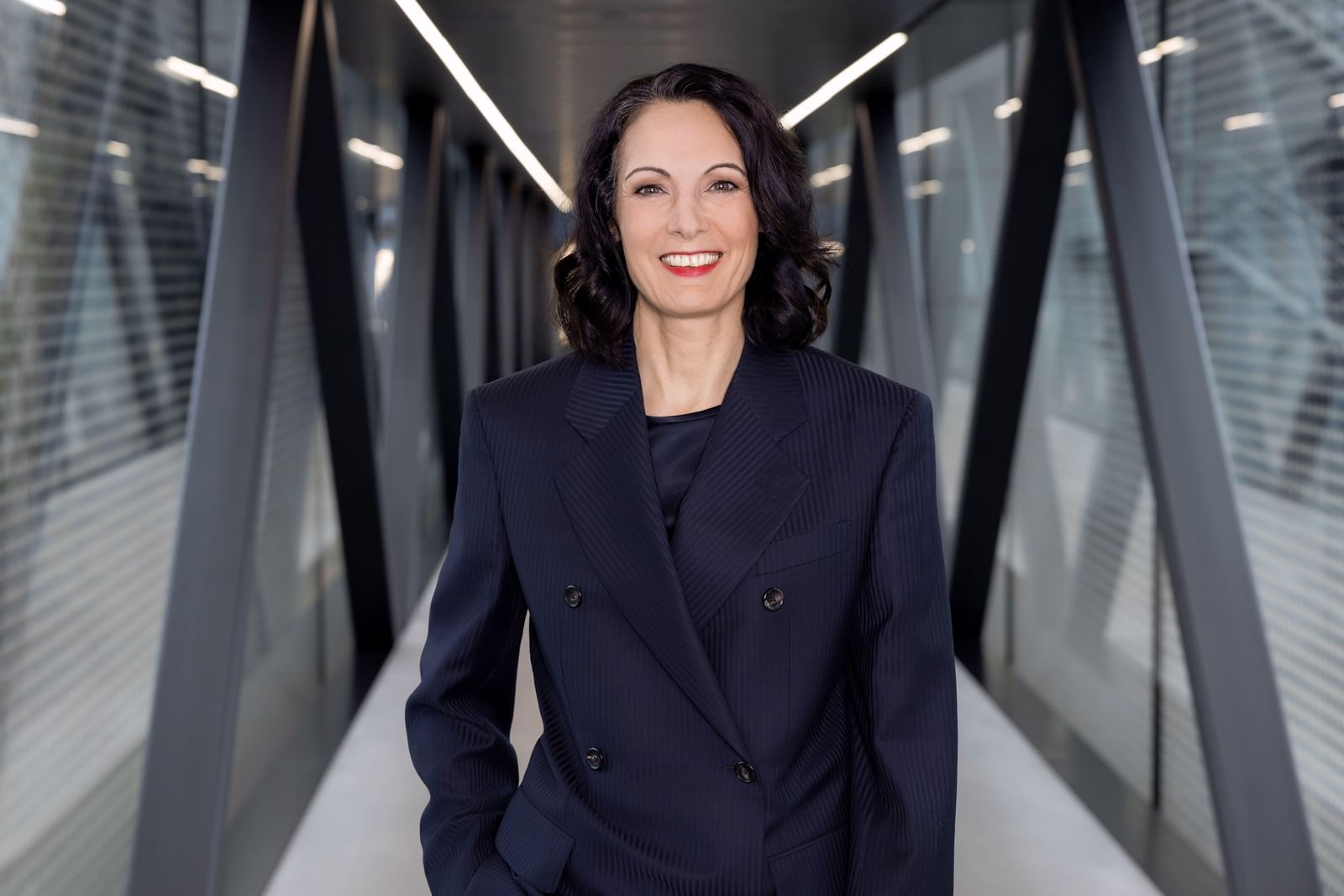
SAP is focused on leading in all of these areas, according to Gina Vargiu-Breuer, Chief People Officer and Labor Director. In an ASUG interview conducted at SAP Sapphire & ASUG Annual Conference, Vargiu-Breuer discussed her experiences leading SAP’s HR organization, including the key initiatives and achievements she’s overseen since first joining the company just over a year ago.
SAP’s growth strategy is grounded in a “foundational work environment” that creates a sense of belonging for employees and is nurtured by leaders, Vargiu-Breuer explained. “This is important for me—the soil of SAP—so that everybody can grow and that we can flourish as a company.” With the successful launch of SAP’s global People Agenda under her belt, Vargiu-Breuer is now leading the establishment of three strategic pillars: Growth culture, a skills-led people ecosystem, and “game-changing” people technology. All of this is built on a strong foundation: a people-centric work environment.
Three Pillars of SAP’s People Agenda
A skills-led people ecosystem emphasizes skills over experience and static job profiles to build a future-ready workforce that is able to meet evolving industry demands and constant change. As Vargiu-Breuer explained, she and her HR team are analyzing everything at SAP from a skills perspective and integrating this approach into each stage of the employee lifecycle — including recruitment, development, and education at SAP.
Revamping the company’s HR processes and systems around a unified skills framework will enhance talent flexibility. “We have the vision that by 2028 we will be a fully skills-led company,” said Vargiu-Breuer. “This has a lot of advantages, because we can tap into a much bigger talent pool, inside and outside of SAP.”
The streamlined approach is already achieving results. SAP has replaced static job profiles and an outdated job architecture, reducing skills from 6,000 to 1,400 relevant ones. And by benchmarking these skills against external data, SAP is ensuring the skills are current and prepared for what’s next. “This allows us to quickly identify skill gaps and design appropriate learning and development recommendations, enhancing our overall people development strategy,” said Vargiu-Breuer.
SAP is also prioritizing talent mobility so employees can more easily move within the organization, either through promotions or lateral moves. It provides opportunities for skill development and career advancement, contributes to the company's success, and addresses skill gaps. Key to talent mobility is more transparency into the workforce, which improves recruitment both internally and externally and gives employees insights into their growth and career opportunities — all factors key to employee satisfaction, said Vargiu-Breuer.
AI is at the heart of SAP’s game-changing technology which aligns with the company’s “AI-first, suite-first” strategy. For example, SAP is leveraging the AI capabilities of the SAP SuccessFactors Human Capital Management (HCM) suite. Not only does this enhance workforce skills visibility, but it can also improve the employee experience with personalized learning and career development opportunities.
In 2024, SAP designed a mandatory AI training, which now has a 98% completion rate. This year, the company is planning another mandatory AI training, tailored to different target groups. SAP is integrating AI tools into daily tasks, such as AI-assisted goal setting, which has already achieved 80% efficiency for its leaders, according to Vargiu-Breuer.
Additionally, SAP uses AI-assisted skill matching in recruiting to accelerate the process and provide quicker feedback. Its AI copilot, Joule, answers HR policy questions and has reduced tickets by 35%.
Fostering a Growth Culture as Customer Zero
SAP benefits firsthand from the software it sells. “The beauty of my role is that we have our own people software. This allows me to translate our HR thought leadership into our products, benefiting both me and SAP by advancing our HR strategy, solutions, and products,” said Vargiu-Breuer. “Additionally, we innovate for our external customers, so both parties benefit.”
Currently, SAP has more than 170 AI use cases in SuccessFactors. With 80% of its employees using skill profiles, by the start of 2026, employees will make use of the growth portfolio and start benefitting from SAP’s skills-led people ecosystem, including hyper-personalized learning accommodations.
“We have now evolved our growth culture framework by reigniting that entrepreneurial mindset from our founders – taking ownership, being bold, learning fast, and staying close to our customers. The framework includes clearly defined growth behaviors and leadership promises, which are now embedded in key people processes like performance development and leadership learning, said Vargiu-Breuer. “We have adjusted completely and are now able to really drive our AI-first, suite-first strategy.”
Vargiu-Breuer noted that—in the spirit of flexibility and fairness—customers can implement their own skill taxonomies within SAP systems, rather than relying solely on standardized libraries. This adaptability allows organizations to tailor skill frameworks to reflect their unique context, supporting more inclusive and business-aligned HR practices.
Staying True to Core Practices
Diversity, equal opportunities, and inclusion remain deeply embedded in SAP’s culture. As an example of that, Vargiu-Breuer pointed to 13 employee network groups comprised of over 30,000 passionate employees and representing more than 157 nationalities. “These communities are a powerful expression of belonging, shared identity, and advocacy — and we will continue to support them,” she said.
Rather than focusing solely on compliance, Vargiu-Breuer underscored SAP’s broader ambition to foster a values-driven environment — one where fairness, inclusion, and psychological safety are embedded in everyday practices. As part of this commitment, SAP is rolling out an integrated people development system designed to support transparent, data-informed talent decisions across performance management, talent programs, and succession planning. The goal is to ensure that potential is recognized early and opportunity is distributed equitably.