Log in to save this article and keep your favorite resources in one place.
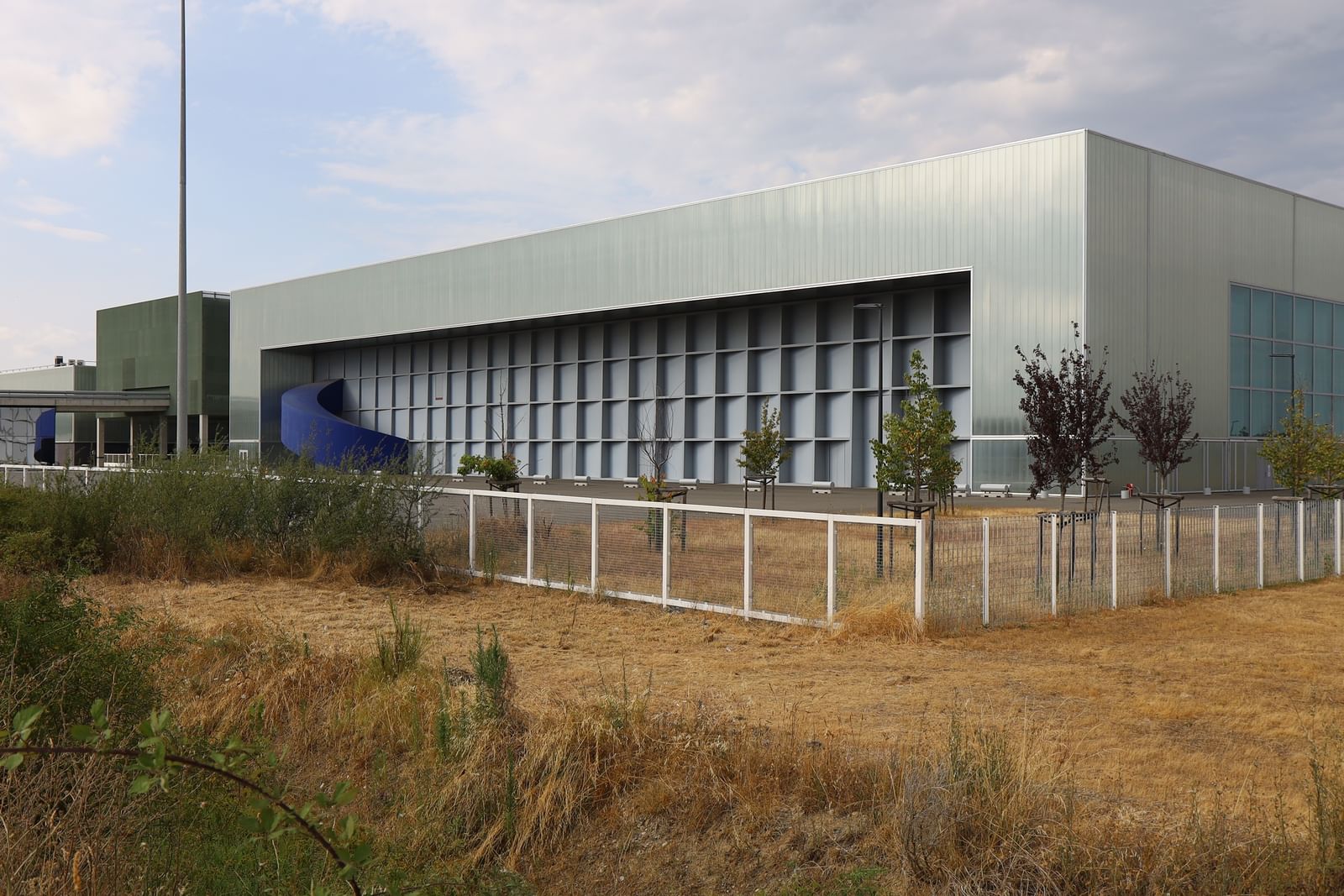
In April, over 650 attendees gathered in Toulouse, France, for the SAP for Energy & Utilities Conference, where day one ended with a series of presentations from energy companies on their SAP transformation journeys.
Among those presenting was Nada Kovacevic, Director of Enterprise Solutions at BC Hydro, a Canadian electrical utility that recently modernized its ERP and Asset Management systems, using SAP S/4HANA to address technical debt and improve efficiency.
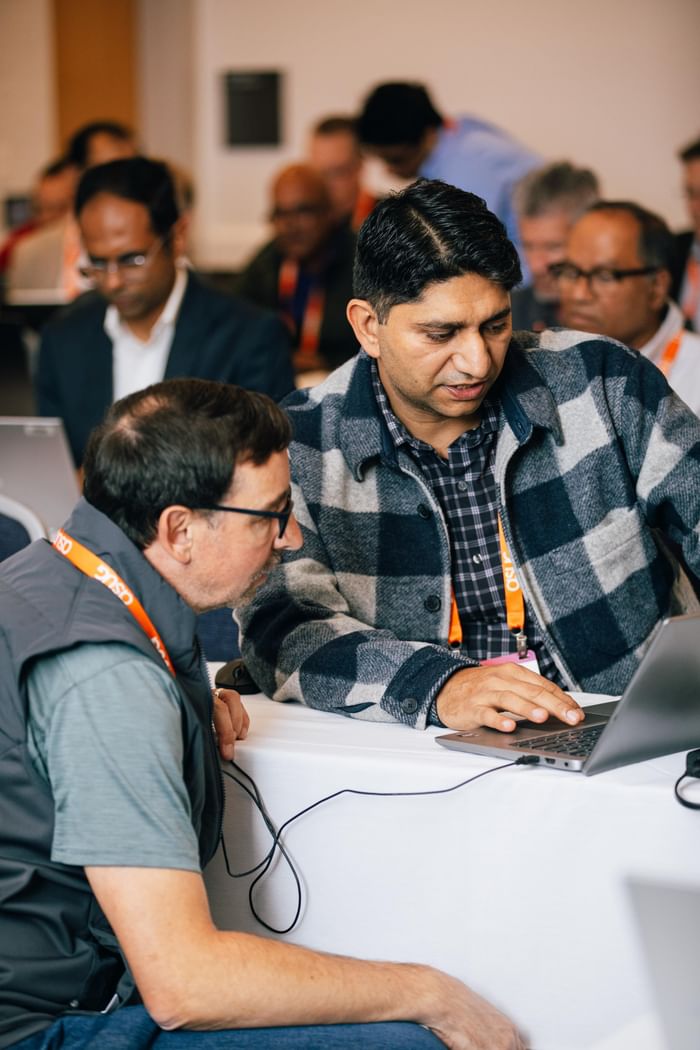
To walk through some takeaways from the conference, Kovacevic was joined by Marc Rosson, a community connector at the nonprofit Utility Community, dedicated to facilitating peer collaboration and knowledge-sharing across different industries.
Together, they discussed key learnings from presentations at the conference by representatives of the European utilities E.ON, TotalEnergies, HarborEnergy, and Airbus. Topics included the distinction between products and platforms, managing expectations for system integrators, and changes in asset management.
“No Option Not To Upgrade”
Conversations around implementing AI in the workplace have shifted from “Let’s experiment and try it out” to “How do we actually use it in operations?” “We know it works,” Kovacevic observed. Now, there’s a focus on separating core investments from those in innovation and keeping up with industry changes while leading transformations.
As Kovacevic noted, “We all have to make the shift from ‘Let me build a business case to do something,’ to ‘What happens if I don’t do something?’” In this landscape, not only is upgrading no longer an option, but spending must increase to keep pace with the competition.
Best-Of-Platform Thinking
Digital twins are a valuable tool for companies to re-evaluate their processes and outcomes, using computer simulations to predict likely outcomes without incurring real-world consequences. SAP AI is a natural partner in this model for SAP ERP, using real data about the organization’s current IT landscape gathered in SAP LeanIX and information about business processes gathered through SAP Signavio.
Another theme of the conference, Kovacevic observed, was an emphasis on choosing an overall platform rather than just focusing on choosing a specific app or program purchase. The goal, Kovacevic said, is “choosing a platform that you’re going to trust and keep up with, so you can take advantage of all the innovations that come with the platforms.”
Operating Model Shifts
With businesses shifting their mindsets from software updates to product upgrades, questions will arise about which parts of the organization have governance for which functions. Companies are tending to favor moving work to the business side while leaving governance in IT’s hands. Joint accountability comes through DevOps tools.
The big focus, Kovacevic noted, is on “continual integration, continual innovation, continual development. All of us are trying to figure out how to implement that successfully in the space while doing transformational projects.”
Asset Management
Cultivating a product ownership mentality is a must. “The asset management piece is really important for all of us in the SAP community,” Rosson observed. As companies migrate from legacy products like Maximo to SAP EAM, utilities are investing in asset management, breakdown structures, and cost accounting.
“There’s lots of blocks in the capital spend these days on the electrical and water side,” Rosson noted. “We’re all having to produce more power and water for all the data centers, so that we can table all the AI,” which leads to more investments.
“Going forward, asset management is going to be key to everything we’re going to do,” he continued. “How do we move forward with our interval data? Where is interval data going to be stored? How do we use AI against our interval data? How are we managing interval data, and how do you bring interval data into the demand-side-management equation? What’s happening with your interval data inside of SAP?”
Capability-Led Transformation
Many of the presenting utilities offered a cautionary note against over-reliance on system integrators (SIs) while conducting transformational projects. The problem, Kovacevic noted, is that the relevant technology changes so fast that testing conducted by SIs may not be applicable when the company finally implements changes.
“We’re all learning together,” Kovacevic said. Here, LeanIX and Signavio can be significant tools for creating new architecture. That said, even if SIs are learning alongside the company in real time, they bring broader experience and a valuable ability to quickly pick up on and integrate innovations.
SAP’s request for input from utilities is currently circling around learning about their interconnection needs and distinguishing needs shared by all utilities versus their more specialized requirements for special processes or process variations in different geographical areas.
“SAP is trying to make decisions on what they implement as core product versus where they leave room for us to do our own thing,” Kovacevic explained. “I can see a lot of partnerships between SAP and European utilities already in terms of innovating and rolling out some of the new AI capabilities. It’s kind of like a community-driven initiative.”
You Might Be Interested In
Log in to save this article and keep your favorite resources in one place.

Log in to save this article and keep your favorite resources in one place.

Log in to save this article and keep your favorite resources in one place.

Log in to save this article and keep your favorite resources in one place.