Log in to save this article and keep your favorite resources in one place.
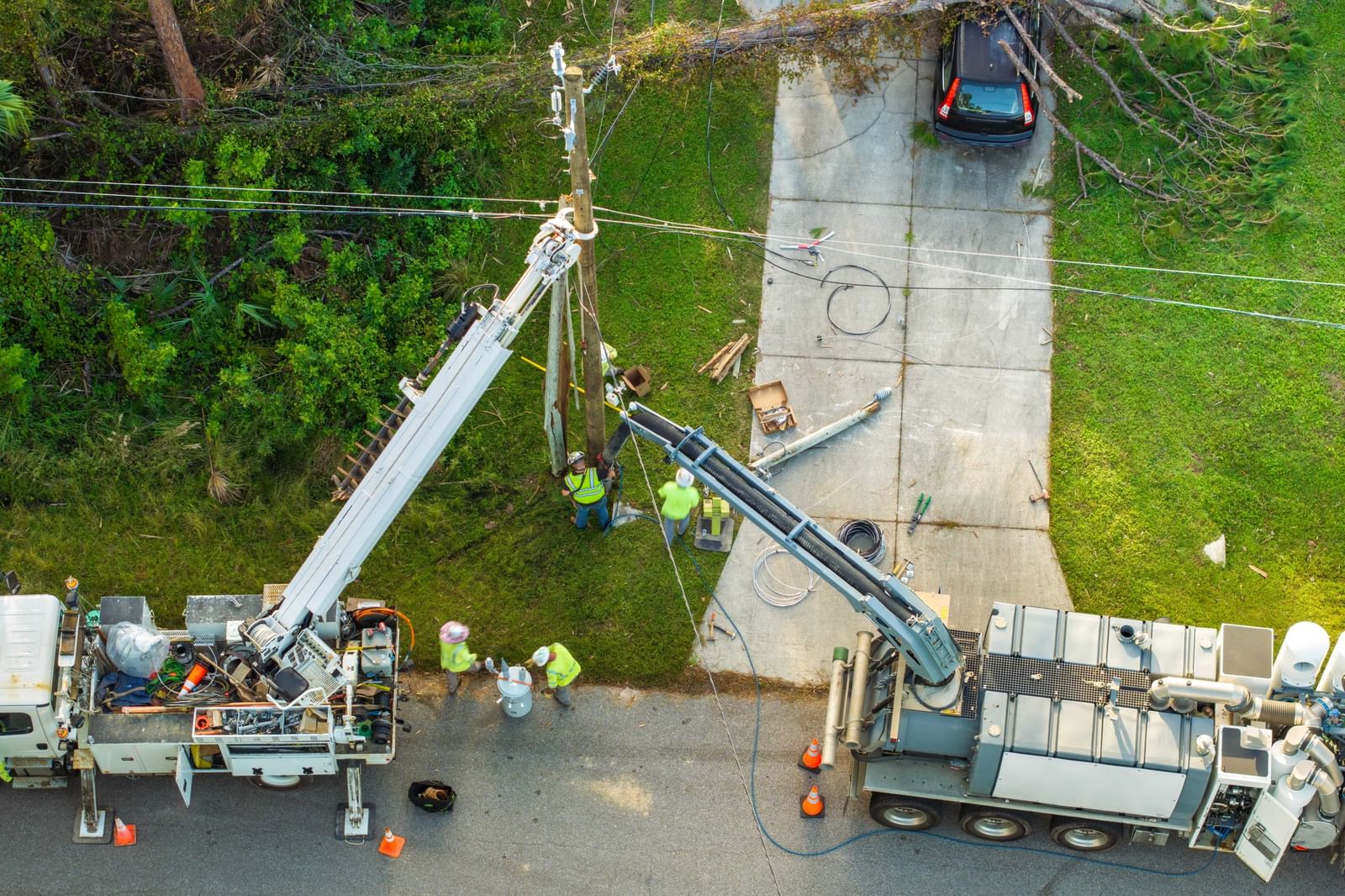
I’ve spent much of this year interviewing utility technology leaders, SAP executives, and the partners who serve the industry, so when I was exploring the utilities segment of ASUG’s Pulse of the SAP Customer research, I read it with those conversations in mind. The 2026 edition drew 663 respondents, including 51 from utilities, and their answers sounded familiar.
Compared with the broader membership, utility respondents reported greater urgency around cybersecurity, a more deliberate posture toward AI, deeper commitments to integration and data foundations, and a definition of project value shaped by the economics of a regulated industry.
“Pulse of the SAP Customer is our annual measure of where members actually stand,” said Marissa Gilbert, Research Director at ASUG. “Utilities want to benchmark against peers, so this data can be particularly valuable.”
The AI numbers are the most revealing place to start. One-third (33%) of utility respondents called leveraging AI a high priority for 2026, while nearly as many (31%) called it a low priority, the survey’s shorthand for organizations that see the need but aren’t acting on it yet. Across all respondents, that split was 38% against 20%. Utilities were also less likely to expect AI/ML to greatly affect their digital transformation over the next two years (47%, versus 53% overall). They showed roughly half the interest in SAP Business AI (14%, versus 25%).
“The utilities responses stood out almost immediately,” said Blake Baltazar, Associate Research Director at ASUG, who conducted the research. “An industry splitting nearly even on AI priority typically signals that organizations are weighing something the topline numbers cannot show.”
Budget pressure and regulatory caution are surely part of the story, but I read this mainly as sequencing, and that squares with what I’ve heard from utility leaders. The same respondents who deferred on AI ranked integration within SAP systems among their most urgent priorities (45%, versus 35% overall), cited master data maintenance and governance more often than any challenge except budget (53%, versus 45%), and rated data analytics a high or sustained priority at a near-unanimous 96%.
Utilities understand that AI outcomes will only be as good as the data and architecture underneath them, and the survey suggests they are building in that order. The line between sequencing and stalling is thin, though, and it’s theirs to police.
Cybersecurity, meanwhile, sits above everything else in the utilities data. More than two-thirds (69%) of respondents called it a high, urgent priority, 20 points above the all-industry figure. The next-highest utilities priority, SAP S/4HANA, comes in at 47%. Fold in the share treating cybersecurity as a sustained focus, and the total climbs to 94%. For operators of critical infrastructure, with grid security now a standing boardroom topic, that’s exactly where the urgency belongs.
The value question is where utilities look least like everyone else. Just 2% of utility respondents measure ROI on SAP projects through increased revenue or sales, versus 18% of all respondents. They index instead on total cost of ownership (43%, versus 33%) and customer satisfaction (35%, versus 26%), and they explore cost optimization through license management and system rationalization at nearly twice the overall rate (37%, versus 21%). In a rate-regulated business, value shows up in cost discipline and customer experience, and utilities are measuring their investments accordingly.
None of this means utilities are cooling on SAP. A majority (55%) of utility respondents report increasing SAP investment, and 61% already run SAP S/4HANA.
These conversations are about to happen in person, with the SAP for Utilities Annual Conference, presented by ASUG, only a couple of months away. The questions running through this research, from when an AI use case earns investment to how security urgency survives a tight budget, are the same ones that fill its session rooms and hallways.
Utilities have always worked through hard problems by comparing notes with their peers, and they do it with a candor most industries would envy — or fear. The research tells us where the industry stands in 2026, and what happens when this community gets together will shape where it goes from here.
You Might Be Interested In

Log in to save this article and keep your favorite resources in one place.

Log in to save this article and keep your favorite resources in one place.
Log in to save this article and keep your favorite resources in one place.
Log in to save this article and keep your favorite resources in one place.