Log in to save this article and keep your favorite resources in one place.
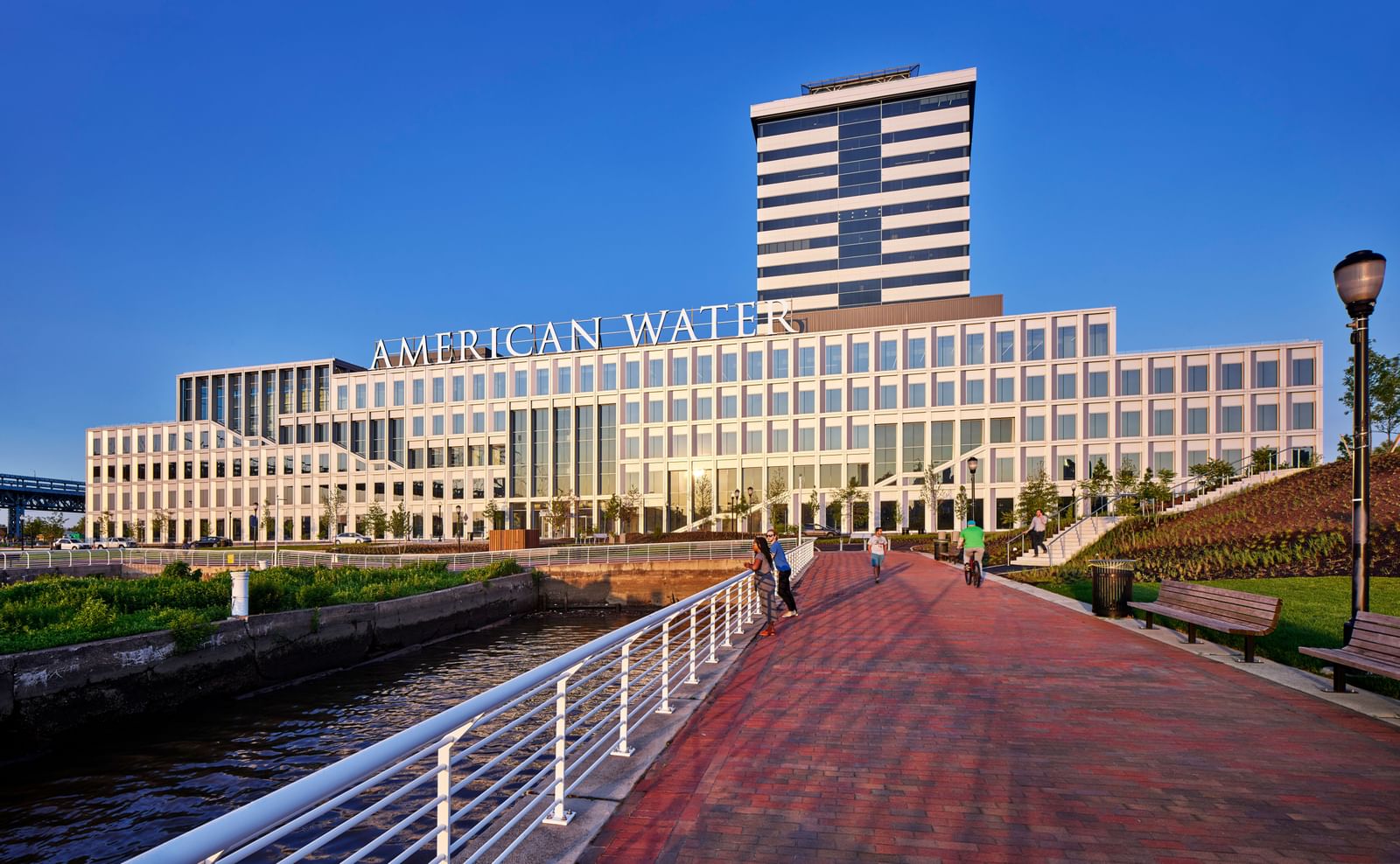
American Water is the largest regulated water and wastewater utility company in the United States. With a history dating back to 1886, the utility company provides safe, clean, reliable and affordable drinking water and wastewater services to more than 14 million people with regulated operations in 14 states and on 18 military installations.
In 2021, American Water sold its Homeowner Services Group. The transaction included the current ERP system crucial to the Military Services Group’s operations.
“This drove an urgent need to implement a new ERP solution that will not only ensure business continuity, but also provide a platform that will fuel the business growth by supporting a wide range of government contracts and efficiencies to ensure Federal Acquisition Regulation (FAR) and Defense Federal Acquisition Regulation Supplement (DFARS) compliance,” Kelly Bhoombla, Associate Director of Enterprise Systems and Solutions at American Water, recently told ASUG.
To meet this need, and to manage its Military Services Group, the utility company leveraged RISE with SAP. Spanning about a year, the project involved the implementation of SAP S/4HANA Cloud, private edition.
Ahead of the 2024 SAP for Utilities, Presented by ASUG conference, where Bhoombla discussed best practices for maximizing the benefits of RISE with SAP, she reflected on critical steps to the S&P 500 company’s success in leveraging RISE for its SAP S/4HANA implementation.
Initial Steps for ERP Digital Transformation Success
Preparing for digital transformation is crucial, given that such projects require significant change at any organization. Based on past experiences that made clear the importance of preparation, the American Water leadership team took concrete steps to prepare for its RISE with SAP journey and set the project up for success.
“Digital transformation involves integrating digital technology into all areas of a business, fundamentally changing how you operate and deliver value to customers,” Bhoombla said. “It’s also a cultural change that requires organizations to continually challenge the status quo, experiment, and get comfortable with challenges during this digital transformation journey.”
To start, the team created a plan and set specific goals for the transformation project to accomplish. Bhoombla described this process as an “assessment of various ERP platforms and add-ons to ensure the right technology is chosen to match the business goals.”
Business and IT teams also collaborated to assess American Water’s current IT capabilities, determine the shortcomings of its current ERP system, and identify the technology and skill gaps necessary to address in ensuring American Water could successfully implement SAP S/4HANA.
Equally important, according to Bhoombla, is building a digital culture, including through training, leadership endorsement, and rearranging teams to maximize efficiency.
“One of the first steps in this digital transformation journey was to get the organization ready for change by fostering a culture that supports digital innovation,” she said, noting that American Water’s leadership team consistently emphasized the importance of cross-team alignment and maintaining a clean core.
Finally, American Water prioritized both data governance and cybersecurity. Given the utility company’s own business requirements and complicated state and federal regulations the organization must comply with, this was a vital step. Bhoombla said American Water conducted a thorough analysis to ensure the appropriate ERP infrastructure and solution were chosen given the enterprise’s specific requirements.
Facilitating Cross-Organizational Collaboration
Ensuring effective communication between teams was another critical component of this project’s success.
“Facilitating collaboration between different business units during a digital transformation was crucial for ensuring that the transformation is cohesive and effective across the entire organization,” Bhoombla said.
Specifically, establishing clearly defined roles and responsibilities early in the project helped to ensure alignment on “who was in charge of what within the change process,” she said. As such, the team could avoid duplicating their efforts. Additionally, the American Water team developed a shared vision of the project’s goals that helped facilitate effective collaboration.
“American Water used different business and IT forums to help everyone see how this transformation helps the whole organization and their own unit,” Bhoombla said; this helped the organization get input from different stakeholders and adapt the transformation strategy to address various needs across the organization.
Bhoombla also pointed to the importance of a communication strategy American Water put in place during this project, which involved developing newsletters and scheduling meetings aimed at reporting project achievements and hurdles.
“Being open about the progress and challenges helped everyone stay informed and engaged,” she said.
The team established feedback systems that provided employees insights into where they could log issues, proposed improvements, and updates on outcomes.
“By implementing these strategies, American Water was able to facilitate effective collaboration across different business units and workstreams, which is led to a successful digital transformation,” Bhoombla told ASUG. “This not only resulted in the enhancing the transformation process but also built a more resilient and agile organization.”
Managing Integrations
Another component of transformation was strategically managing the process of integrating SAP S/4HANA with the non-SAP solutions present in American Water’s technology landscape.
American Water first assessed existing third-party systems to identify integration points, data flows, and dependencies. “This informed the development of a detailed integration plan specifying objectives, scope, and timelines,” Bhoombla said.
With this assessment in hand, American Water turned its attention to building integrations. Primarily, the organization used standard APIs from SAP S/4HANA. However, where custom code was necessary, American Water leveraged the SAP Business Technology Platform (BTP) to build those integrations.
With integrations in place, the utility company conducted rigorous data mapping and governance to maintain both data integrity and security. American Water also conducted extensive testing, including several rounds of data integration testing with converted data and user acceptance testing, to ensure ensured that integrated systems still functioned correctly without disrupting existing processes.
Overcoming Hurdles
While its implementation of SAP S/4HANA Cloud was a success, American Water — like all organizations — encountered challenges that required “meticulous planning and well-organized collaboration among various workstreams, and leadership support to be addressed in a timely manner.”
Bhoombla laid out three challenges — and the solutions that led American Water to overcome them:
- Change Management – American Water found that some of its approximately 550 end users were somewhat resistant to changes in existing processes. To combat this, the team implemented robust change management strategies, including comprehensive training programs and communications that made clear the benefits of the new system. Engaging end users and stakeholders early helped American Water obtain end user buy-in and adoption of the overall solution.
- Data Migration – “Data quality was one of the significant challenges because of the limited controls in the legacy system,” Bhoombla said. In addition, large chunks of data had been maintained outside the core ERP system. Conducting thorough data audits and cleansing before the migration, American Water also leveraged automation within its migration to ensure data integrity and security.
- Managing Customization and Standardization – Custom code is a key part of every enterprise’s ERP environment. However, balancing customization with standardization is critical for functionality. American Water prioritized standardization whenever possible to reduce costs and save time while limiting customization to areas that “offer significant business value or competitive advantage.”
- User Training and Support – Bhoombla noted that the speed of the implementation necessitated extra time to train end users, familiarizing them not only with the new system but also with SAP standard processes critical for daily operations. Given this issue, American Water engaged end users early and often throughout the project lifecycle.
Advice for Other Organizations
Bhoombla offered advice to other enterprises about to embark on their own RISE with SAP journeys. Specifically, she encouraged organizations to begin building comprehensive plans with detailed, clear timelines and budgets. “This ensured that every phase of the implementation was well-organized and executed,” she said.
Also essential: effective stakeholder engagement and change management strategies to ensure end users are engaged, bought into the project, and clear on how the new solution impacts their work.
Bhoombla finally underlined the importance of quality assurance and ensuring that SAP S/4HANA Cloud, private edition, met all of American Water’s functional requirements without creating additional issues.
“These elements combined to ensure not only a successful initial rollout but also sustained operational success and user satisfaction with the new SAP system,” she said.
To hear more insights from SAP for Utilities, Presented by ASUG read our recap of the conference’s topics.
You Might Be Interested In

Log in to save this article and keep your favorite resources in one place.
Log in to save this article and keep your favorite resources in one place.

Log in to save this article and keep your favorite resources in one place.

Log in to save this article and keep your favorite resources in one place.