Log in to save this article and keep your favorite resources in one place.
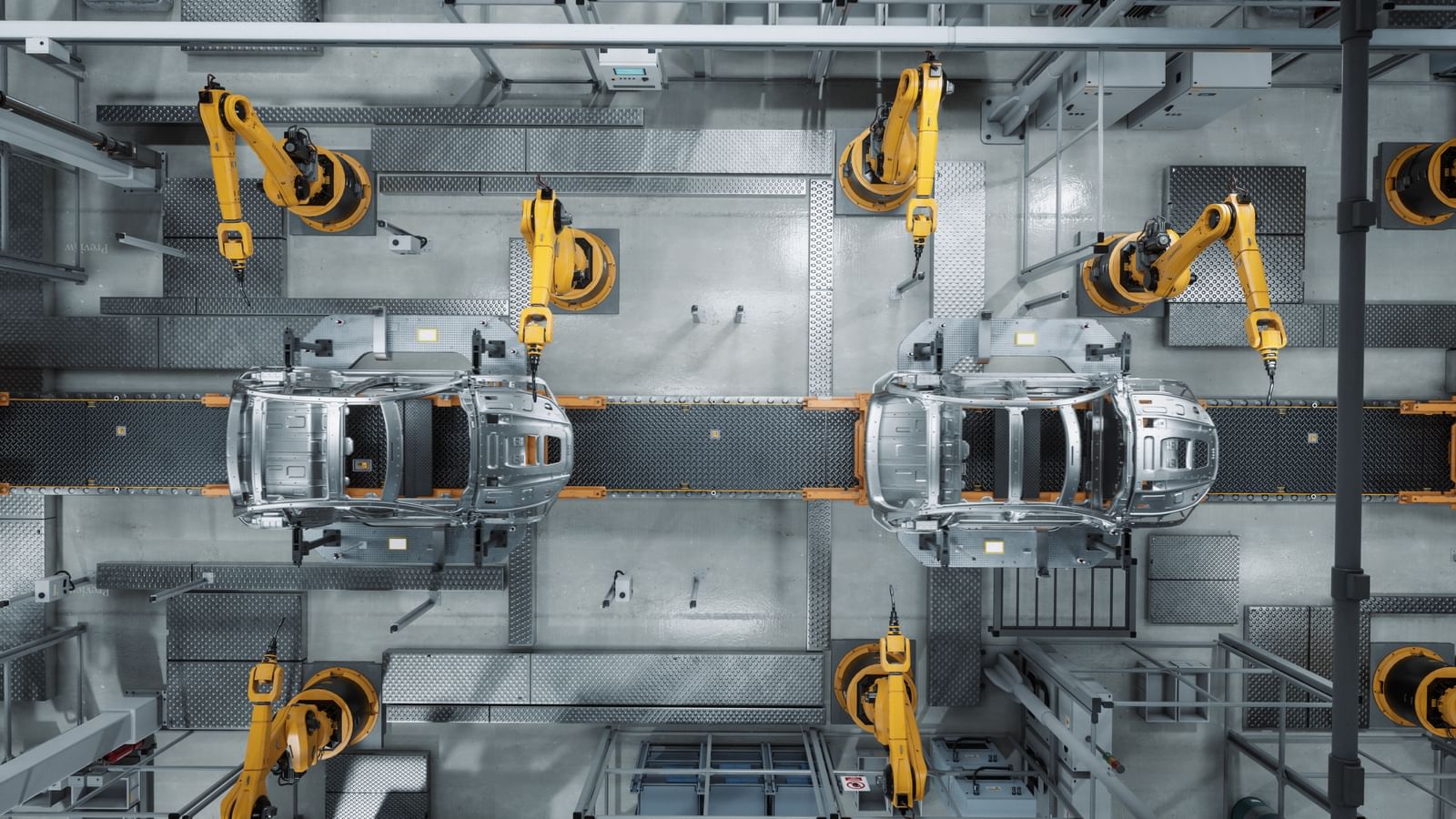
In March, SAP launched visual inspection capabilities powered by AI for its Asset Performance Management (APM) platform. Manufacturing, utilities, and other equipment-heavy sectors typically spend significant resources on manual inspections.
During a recent ASUG webcast, Simon Lee, Product Marketing Manager for APM, walked viewers through the practical applications of these new inspection tools for organizations. “We aim to help you streamline inspection processes, reduce over-maintenance, and increase reliability. But the driver here is to help reduce the costs of executing inspection,” said Lee.
Here are seven key insights from the webcast:
1. Unified Data: No More Discrepancies Between SAP APM and S/4HANA
SAP engineered a ‘one domain model’ — ensuring both S/4HANA and APM access and update identical master data records. Every element remains synced across platforms, from equipment records to work orders and measurement points to maintenance notifications, eliminating data consistency problems. Lee said the seamless connection “creates a closed-loop process between your reliability and maintenance management organizations.”
2. AI Transforms Labor-Heavy Visual Checks
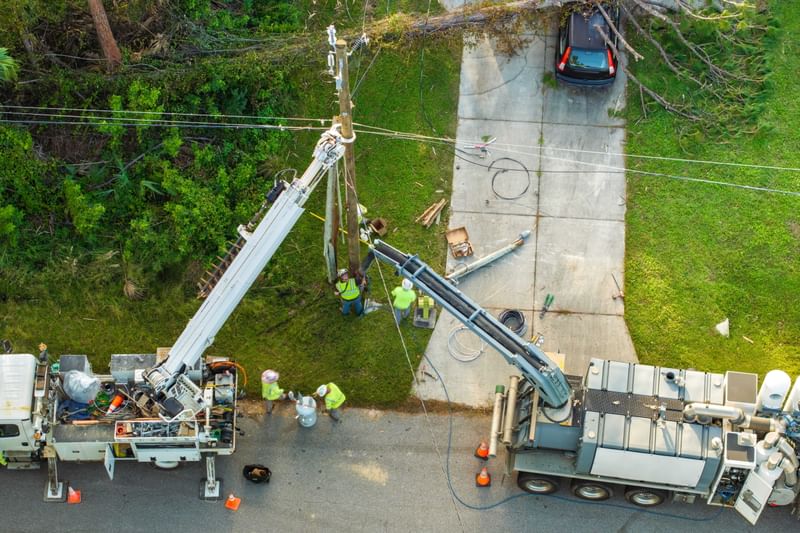
For one company, over 50% of industrial preventive maintenance involves inspecting equipment visually. Asset-heavy companies must send specialists to perform these assessments and frequently halt operations while inspections occur. APM now integrates camera and drone imagery with analytical tools that partly automate inspection processes. Several sectors, particularly rail, utilities, mining, and manufacturing, stand to benefit most since their facilities demand regular visual assessment.
3. Visual Inspection Integration with Existing Monitoring Systems
Reliability engineers can assign camera-based measurements to their critical equipment records alongside traditional sensor readings. Custom thresholds and monitoring rules determine when images indicate potential issues. When problems appear, the system creates alerts leading to maintenance notifications in SAP S/4HANA. The platform even supports complex conditions by combining visual data with other measurements. For maintenance teams, this creates a single dashboard showing complete asset health status regardless of data source.
4. Leveraging the SAP Partner Ecosystem to Develop Visual AI Models
Rather than developing its own proprietary visual AI models, SAP created the infrastructure and APIs necessary to integrate with partner-built or customer-developed AI solutions.
Lee clarified: “SAP is not bringing standard visual-based AI models for visual inspection at this moment. We are providing the means for partner solutions, their visual AI models, or your own AI models to do the AI-based derivation or quantification of the indicators.”
The ecosystem strategy allows customers to leverage existing AI investments or select specialized solutions from SAP’s partner network.
5. Swiss Federal Railways Demonstrates Practical Application and Value
During the webcast, Lee detailed how SAP worked with Swiss Federal Railways (SBB) leveraged implementation testing. SBB now monitors train pantographs while they operate using trackside cameras. Manual inspections previously required removing trains from service. The current approach captures images during normal operations, with AI measuring component thickness and generating maintenance notifications based on actual conditions rather than preset schedules. This approach has reduced maintenance expenses for SBB while enhancing overall system performance.
6. Building AI Feedback Loops
When technicians review results, they mark whether AI analysis got it right or wrong. Each correction teaches the system, while each confirmation strengthens its pattern recognition capabilities. Lee called this approach “feedback-based learning” or “reinforcement learning,” noting that this mechanism “enables you to continuously improve the AI model.” Keeping personnel involved builds trust in the system and progressively enhances its accuracy over time.
7. Side-by-Side Integration Capabilities
The side-by-side integration architecture allows customers to use their own AI services, partner solutions, or system integrator implementations while connecting to APM through standardized data integration capabilities, APIs, and data services. SAP publishes all necessary technical guides for these connections on its help portal and API hub.
For asset-intensive organizations, the benefits can already be seen in early adopters, with inspection cost reductions exceeding 50% and many no longer relying on external AI consultants. By accommodating existing AI investments and partner technologies, SAP makes implementation more straightforward, helping maintenance teams realize value faster.
You Might Be Interested In
Log in to save this article and keep your favorite resources in one place.

Log in to save this article and keep your favorite resources in one place.

Log in to save this article and keep your favorite resources in one place.

Log in to save this article and keep your favorite resources in one place.