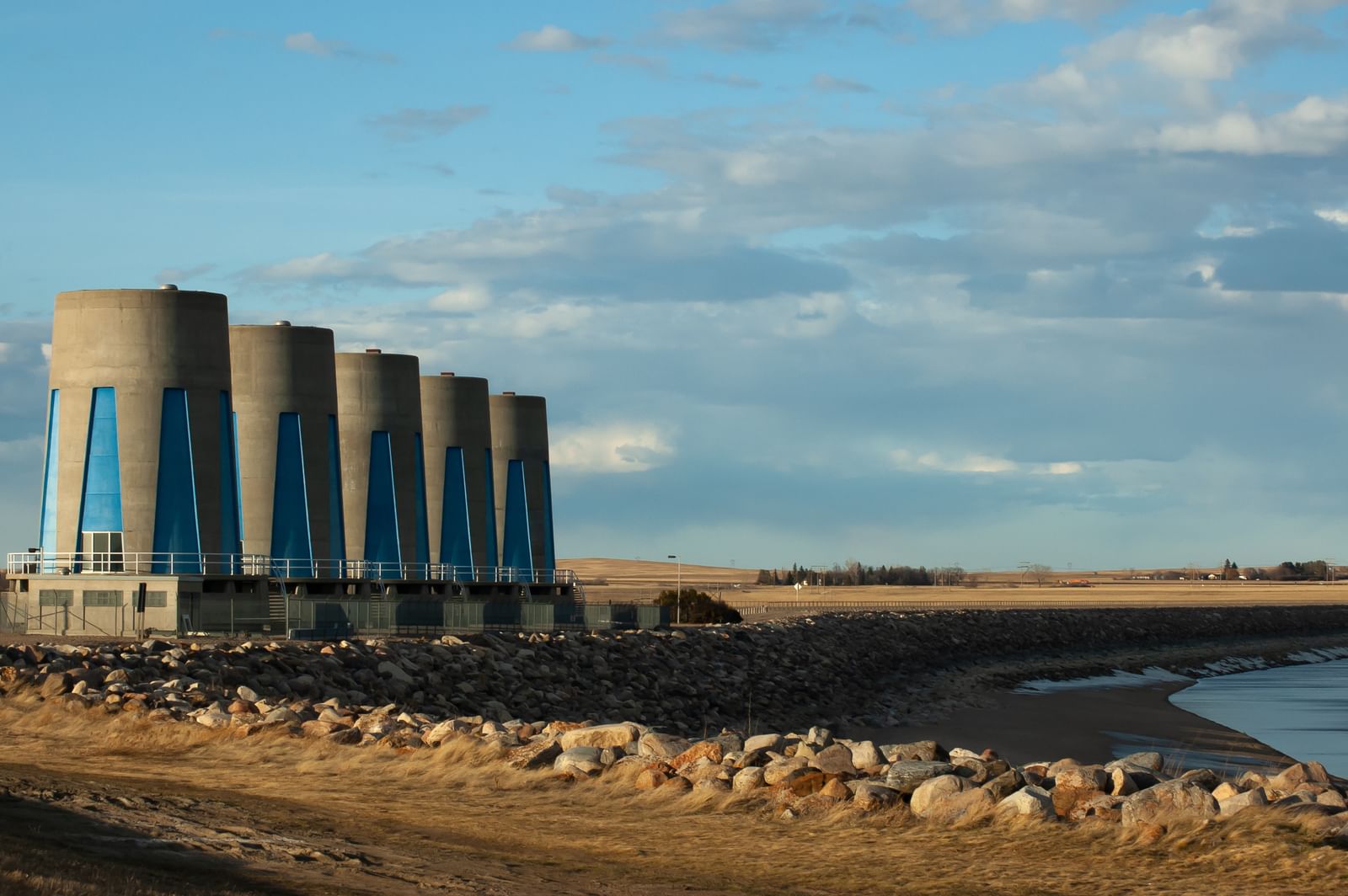
SaskPower, a Saskatchewan-based electricity provider, has been using SAP as its core ERP system since 1999, adding CRM in 2011 and SuccessFactors in 2014. Deeply embedded in SaskPower’s operational fabric—from payroll and procurement to outage management and customer billing—SAP is critical to nearly all major business processes across the company.

In 2020, the company made the decision to migrate to SAP S/4HANA and kicked off a multi-year, multi-project SAP modernization program. The original planned end date was September 2023, but “like a lot of well-thought plans, things didn’t really go as we thought they would,” Jesse Webb, Director of SAP Data & Analytics at SaskPower, recently told ASUG in reflecting on the challenges faced in the beginning of the program.

The program consisted of five major projects, the final one being the migration from ECC to S/4HANA. . “We did have some hiccups in those early projects,” Webb said, “but it really gave us a lot of information for us to be able to use in future projects — not only SAP projects, but other IT projects at SaskPower.”

Webb recently joined an ASUG webcast to share with fellow utilities companies how these lessons helped her team to achieve success in their final project, going live with SAP S/4HANA on time and under budget.

  • Do your research and engage experts where needed.
  • Take your time with planning, procurement, and building the team.
  • Be sure to have strong vendor contracts and a one-team approach.
  • Dedicate key IT and business resources to the project.
  • Involve the business early and often.
  • Create a strong team culture where everyone feels like they have a voice.
  • Communicate effectively.
  • Learn from failures to ensure continuous improvement.
  • Celebrate successes.

Watch the full webcast on demand here.

Project Phases, Insights Gained

In preparation for the move to SAP S/4HANA, SaskPower first needed a technical upgrade, moving to its own Microsoft Azure platform. Webb’s team went live with this project in 2021, and she said this project went well with minimum end-user impact. However, in trying to manage two different vendors and other project interdependencies, the team exceeded the allotted budget for the project.


Its second project focused on moving core HR functions from SAP ECC to SAP SuccessFactors, implementing Employee Central, Employee Central Payroll, and moving Workforce Software for time and attendance. Due to turnover on the project team and business-side resources constraints, there were misses related to stakeholder engagement and testing, which led to a rocky go-live. “We learned there that you need those dedicated business resources for these large-scale projects,” Webb said.

The team took these lessons into its third project: moving from SAP Customer Relationship Management (CRM) to C4C, while also implementing Qualtrics. While this initiative went according to plan, Webb said the team’s cost estimates from 2020 proved to be off-base, teaching them not to estimate projects too early on.

Webb’s team used their fourth project as a bit of a discovery phase, implementing SAP Business Technology Platform (BTP) and moving custom apps to it, analyzing, and remediating custom code, completing customer vendor integration (CVI) pre-conversion steps, and evaluating potential SAP Fiori apps.

“Having all of that information and being able to get our own team up to speed on this platform was really helpful in building that RFP that we used to get this system implementation partner,” Webb said.

Going into its final SAP S/4HANA go-live, the team looked to its past projects to inform best practices to meet—and ultimately exceed—their goals.

Preparation for Successful Go-Live

Vendor and contract management were challenges the team had faced on prior projects, so they brought on UpperEdge, a third-party IT consulting and negotiation firm, to further help define project scope for the RFP, as well as help with the statement of work (SOW) and negotiations.

SaskPower also knew that having strong business involvement would be key to success, so they seconded—or temporarily transferred—six full-time business resources to the project, including a business integration lead who acted as a project manager for the business activities. Having these resources work alongside the IT team and involved in weekly project meetings helped ensure there were no surprises along the way, while creating a culture on the team that supported the ability to proactively address concerns.

In addition to the fully seconded project members, 29 business leads from across the corporation acted as liaisons between the project and their areas. These subject matter experts were engaged throughout the project, taking part in the evaluation of Fiori apps, designing and delivering training, and completing the extensive testing required for a project of this scale. They also needed to be “change champions” for the project.

In addition to the SME-led training, the project led six corporate-wide training sessions on general SAP S/4HANA navigation, a new internal landing page for its SAP stack, and any other major changes that would affect larger groups of employees. Webb joked that they almost over-communicated: “My philosophy is, typically, communicate so much that by the time the change happens, people are so sick of hearing about it that it’s not even a big deal anymore.”

The SaskPower IT team slowed all other project implementation prior to kicking off S/4HANA and implemented change freezes, ensuring that this project was the number one priority. There was real support from SaskPower’s executive team, which helped the project secure resourcing.

SAP S/4HANA, SAP Fiori, and a Successful Go-Live

Starting the fifth and final project for its SAP Modernization Program in February 2024, SaskPower partnered with Capgemini to complete a brownfield conversion with some modernization in the Finance and Logistics modules. The goals were to successfully complete the conversion with minimal user impact, keep costs down, and take advantage of modernizations where it made sense.

Because they already had on-premise SAP S/4HANA licenses that stay active until the end of 2027 and already completed the technical upgrade to the Microsoft Azure platform, there was not yet a business case to move to RISE with SAP. These factors and the high number of customizations in SaskPower’s SAP landscape were behind the choice of primarily technical brownfield migration.

As SaskPower did want to modernize where it made sense, they evaluated 242 Fiori apps and implemented 88 of those. Many others were activated, ready now for a future implementation. They chose SAP Business Client as their landing page, providing their users with one single logon for all things SAP, a modern look of the new spaces and pages for some groups, and still enabling access to the traditional SAP GUI.

On the technical side, the project completed seven conversions before go-live (including three mock runs), updated 450 integrations, and remediated 25,000 custom software objects. Testing was extensive and spanned seven months in total. Over 3,000 test scripts needed to be updated, before the 350 business testers could complete user acceptance testing (UAT). The project also made the decision to let some business users participate in the system integration (SIT) testing, which helped ensure UAT could be completed in 10 weeks.

Challenges that arose in this final project included security issues that led to integration rework, a lack of documented test scripts, and experiencing a glitch during the move from C4C to S/4 that wiped out all related code in ECC.

Another issue that arose was regarding partners and resource gaps. “We did have a really good partnership with our implementation partner, but like anything, there’s a little bit of a storming and norming period,” Webb said. Through weekly meetings with the partner’s senior leadership, issues were quickly resolved. There was also a challenge with the first technical quality manager (TQM) assigned to SaskPower’s SAP ActiveAttention support plan. After escalating the concerns, SAP replaced the resource.

Despite these challenges, SaskPower was able to go live a month ahead of schedule and stay under budget. The team celebrated with a dinner outing and created matching hoodies to commemorate the project’s success.

What’s Next

While being an early adopter can set an organization up for success, Webb highlighted that roadmaps change as products mature, and guidance from other companies was hard to come by given SaskPower’s dedication to moving ahead early. But going through testing early on allowed for knowledge sharing — and will help peer companies in the future.

SaskPower is now looking to its fellow utility leaders for guidance on some of the challenges they are facing, including around navigating a travel and expense upgrade to SAP S/4HANA. Also, Webb’s team is exploring a business case for moving to RISE with SAP, so she is seeking guidance from other utilities around how they have managed this.

SaskPower is also exploring SAP Business Data Cloud, as well as WalkMe, awaiting more information before diving into these latest technologies.

Finally, SaskPower has the opportunity to adopt more SAP Fiori applications, but that involves business process changes. “It’s a lot easier to change technology than business processes,” Webb noted. Her team is aiming to go business unit by business unit to help each one depart from custom code and move toward a level of standardization that will allow for automation and future upgrades from SAP.

Stay ahead with First Five, ASUG’s exclusive newsletter. Subscribe today for a curated email featuring top insights tailored for SAP users.

Want to continue reading this article?

Become a member and get access to all ASUG benefits including news, resources, webcasts, chapter events, and much more!

Log in

Not an ASUG member? Learn more